HOTEL BOOKING site

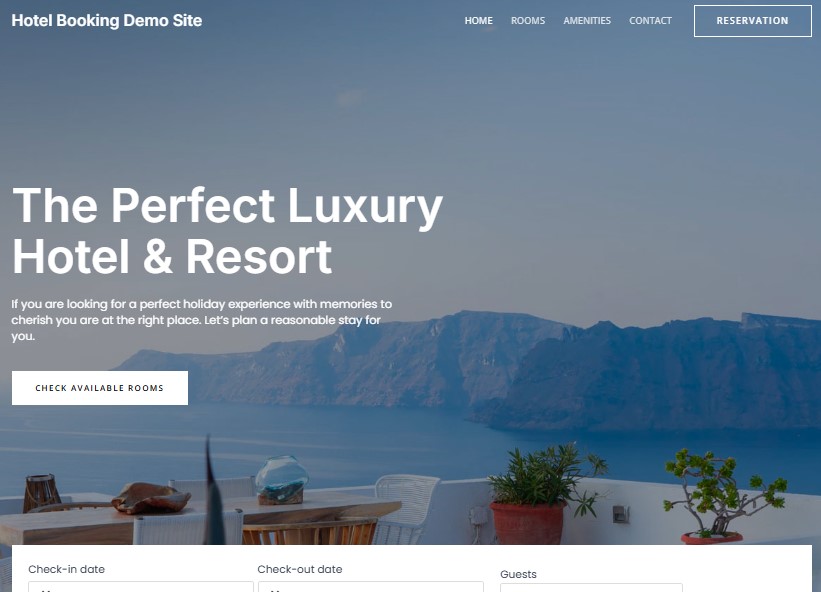
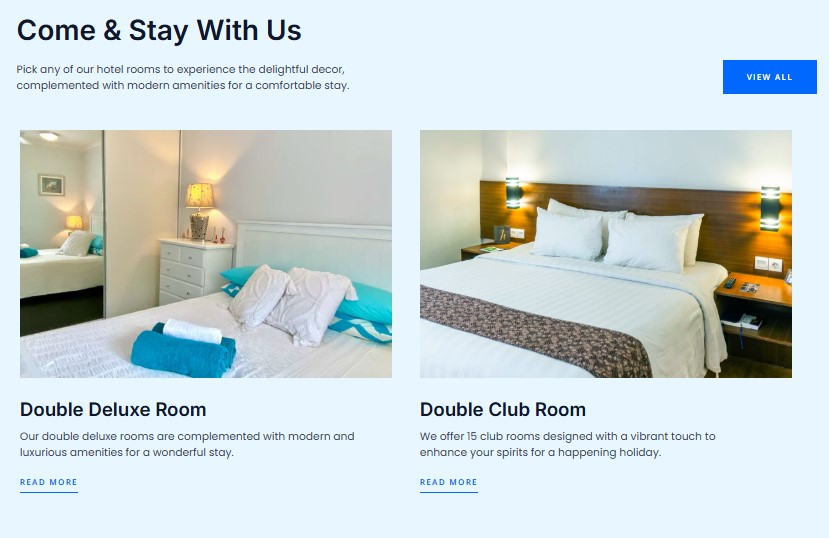
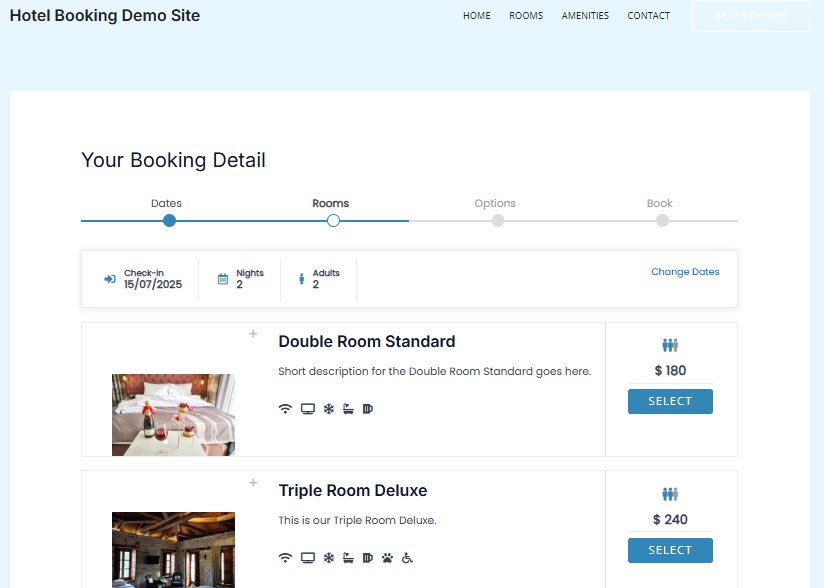
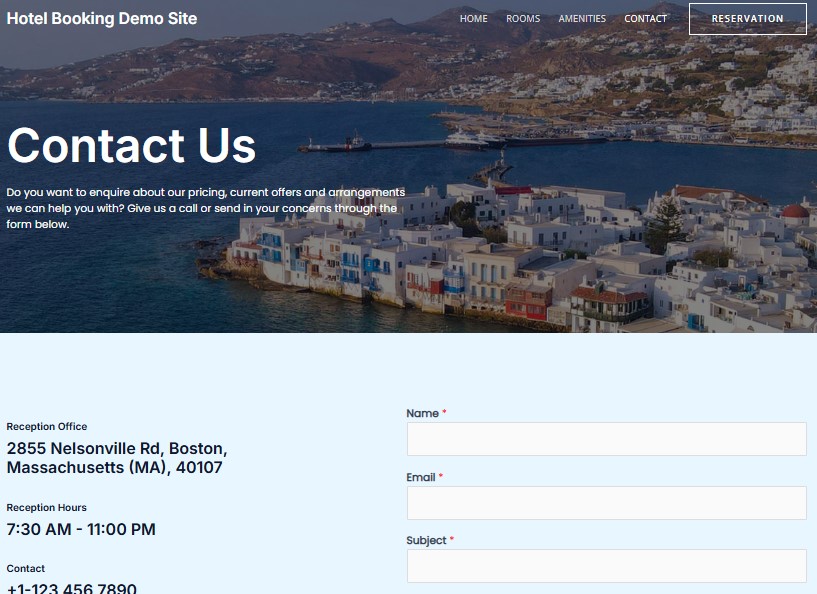
This case study covers the development of StayEase, a hotel booking website designed for effortless travel planning. The platform allows users to quickly search, compare, and book hotels with ease. With features like secure reservations, verified guest reviews, and responsive design, StayEase simplifies the booking process across devices. Through user research and competitive analysis, the website delivers a seamless, trustworthy experience for travelers. Its launch resulted in increased booking rates and positive feedback for its speed, simplicity, and reliability.
This project developed StayEase, a hotel booking website for effortless travel planning. Featuring hotel search, real-time availability, secure reservations, and verified guest reviews, StayEase is designed for simplicity, trust, and convenience. Comprehensive user research and competitive analysis guided the design process, resulting in an intuitive platform that achieved high user adoption and positive feedback.
Challenges:
Cluttered User Interface: Visitors struggled to find available rooms and key amenities.
Slow Booking Process: Multi-step forms discouraged quick reservations.
Limited Mobile Experience: The mobile version lacked usability and responsiveness.
Lack of Trust Signals: No clear customer reviews, ratings, or verification badges.
Goals:
Simplify the user interface for faster room discovery.
Streamline the booking process to reduce drop-offs.
Improve the mobile experience for on-the-go users.
Build trust with travelers through transparent guest reviews and visual credibility.
Process:
User Research: Conducted interviews and analyzed booking behavior across different demographics.
Competitive Analysis: Studied top hotel booking platforms like Booking.com and Airbnb.
Wireframing and Prototyping: Created mobile-first wireframes and interactive prototypes.
Usability Testing: Iterated designs based on feedback from real users simulating booking flows.
Solutions:
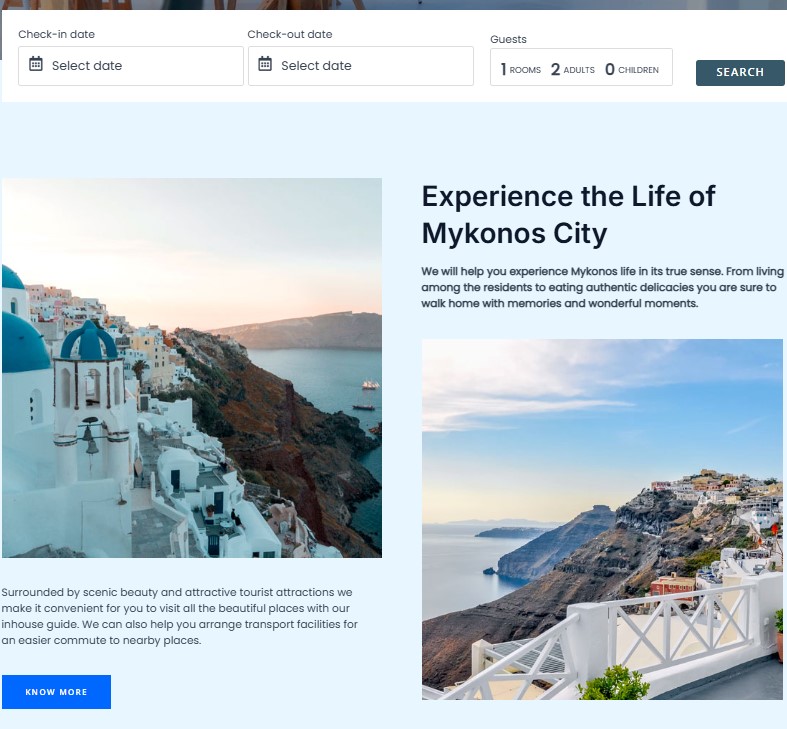
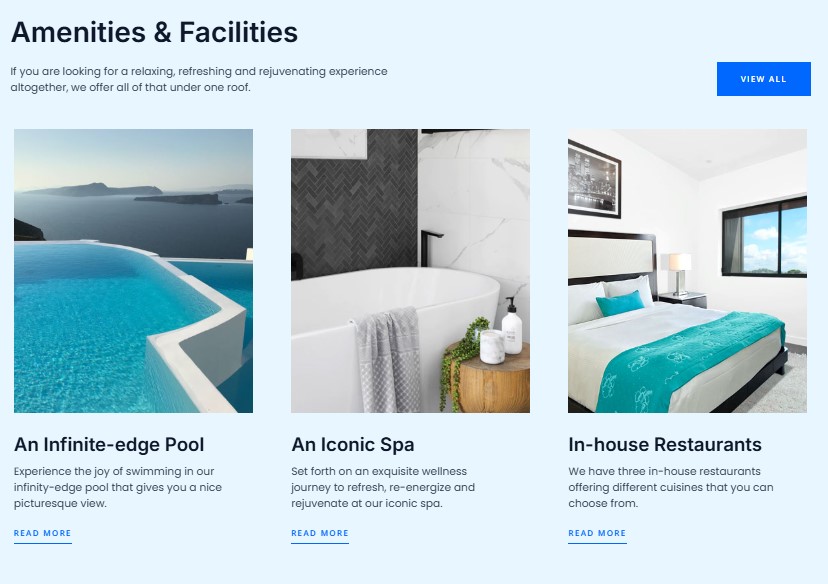
Simplified Interface: Implemented a clean layout with quick filters for location, price, and availability.
Faster Booking Flow: Integrated one-page checkout and guest booking options.
Mobile Optimization: Enhanced mobile responsiveness with thumb-friendly buttons and smart autofill.
Trust Elements: Added verified reviews, star ratings, and secure payment icons.
Results:
Higher Booking Rate: 32% increase in completed reservations.
Faster Mobile Performance: 45% improvement in load speed on mobile devices.
Reduced Drop-Off: 29% decrease in abandoned bookings at checkout.
Better User Sentiment: Users reported a smoother, more trustworthy booking experience.
Conclusion:
The hotel booking website redesign led to a measurable boost in user satisfaction, mobile engagement, and completed bookings. This project highlights the impact of clear navigation, performance optimization, and trust-building design elements in the hospitality tech space.